I Guwahati
In the complex tapestry of contemporary Indian politics, political narratives are frequently weaponized, blurring the lines between legitimate democratic dissent and national security compromises. A striking case in point is the recent prominence of Neha Bora, a leader associated with the All India Students’ Federation (AISF) and aligned with opposition political platforms. As Bora and her organization seek broader political accommodation within the ecosystem of dynastic politics—notably finding shelter under the Congress umbrella—it becomes imperative for conscious citizens to dissect the historical record of these movements. At the crossroads of national sovereignty, armed forces' morale, and electoral opportunism lies a disturbing pattern of ideological posturing that demands rigorous public scrutiny.
To understand the true nature of this political faction, one must revisit September 2008, a grim chapter when serial bomb blasts ripped through Delhi, Jaipur, and Ahmedabad, claiming scores of innocent lives at the hands of the banned terror outfit Indian Mujahideen. On September 19, 2008, Delhi Police’s Special Cell cornered these terrorists in a hideout at Batla House in Jamia Nagar. The operation was historic, but it came at a staggering cost. Inspector Mohan Chand Sharma, one of India’s bravest police officers, attained martyrdom while neutralizing the heavily armed terrorists Atif Amin and Sajid. Yet, while the nation mourned the fallen hero and condemned terror, organizations like the AISF chose a disgraceful path. Rejecting the grief of a bleeding nation, these student bodies took to the streets, parading the slain terrorists as innocent students and branding a legitimate counter-terror operation as a fake encounter. This calculated assault on the morale of our security forces remains an indelible stain on the nation's collective memory.
This malicious propaganda orchestrated to shield terrorists was ultimately crushed by the Indian judiciary through rigorous legal scrutiny and irrefutable evidence. In 2009, the National Human Rights Commission investigated the encounter and confirmed its absolute authenticity, ruling out any human rights violations by the police. Later, in 2013, the trial court convicted active Indian Mujahideen member Shahzad Ahmed for the murder of Inspector Sharma, handing down a sentence of life imprisonment. The judicial hammer fell completely when the mastermind, Ariz Khan, was sentenced to death in a rarest of rare case, a conviction and life sentence that was subsequently upheld by the High Court. These landmark judicial rulings delivered an unequivocal truth that those killed or arrested at Batla House were not victims of circumstance, but vicious terrorists executing a blueprint of mass murder.
A fundamental question arises as to whether those who orchestrate explosions and slaughter innocent civilians can ever claim the shelter of human rights.
Weaponizing human rights and freedom of expression to protect terrorists is not just intellectual dishonesty; it is a direct assault on national survival. When security forces risk their lives daily to shield the nation from cross-border and domestic terror, political and student syndicates marching in defense of terror suspects actively work to break the spine of our police and military morale.
The trajectory of Neha Bora and her ideological affiliates does not exist in a vacuum, but rather forms part of a larger, calculated political alliance. Today, this very ecosystem seeks legitimacy under the patronage of the Congress party—a political apparatus notorious for sidelining experienced, qualified statesmen like Shashi Tharoor in favor of preserving a rigid dynastic hierarchy. By placing an immature and visionless leadership under Rahul Gandhi at the forefront, this opportunistic nexus aims to dilute national resolve, pander to fringe elements, and compromise administrative integrity for short-term political gains.
India today is awake, aware, and fiercely protective of its sovereignty. The judicial closure of the Batla House case stands as a permanent monument to the reality that those who apologize for terror are always on the wrong side of history. As citizens who cherish national security above partisan agendas, recognizing and rejecting these deceptive political narratives propagated under the guise of education and protest is the ultimate imperative of our time.

Prev Post
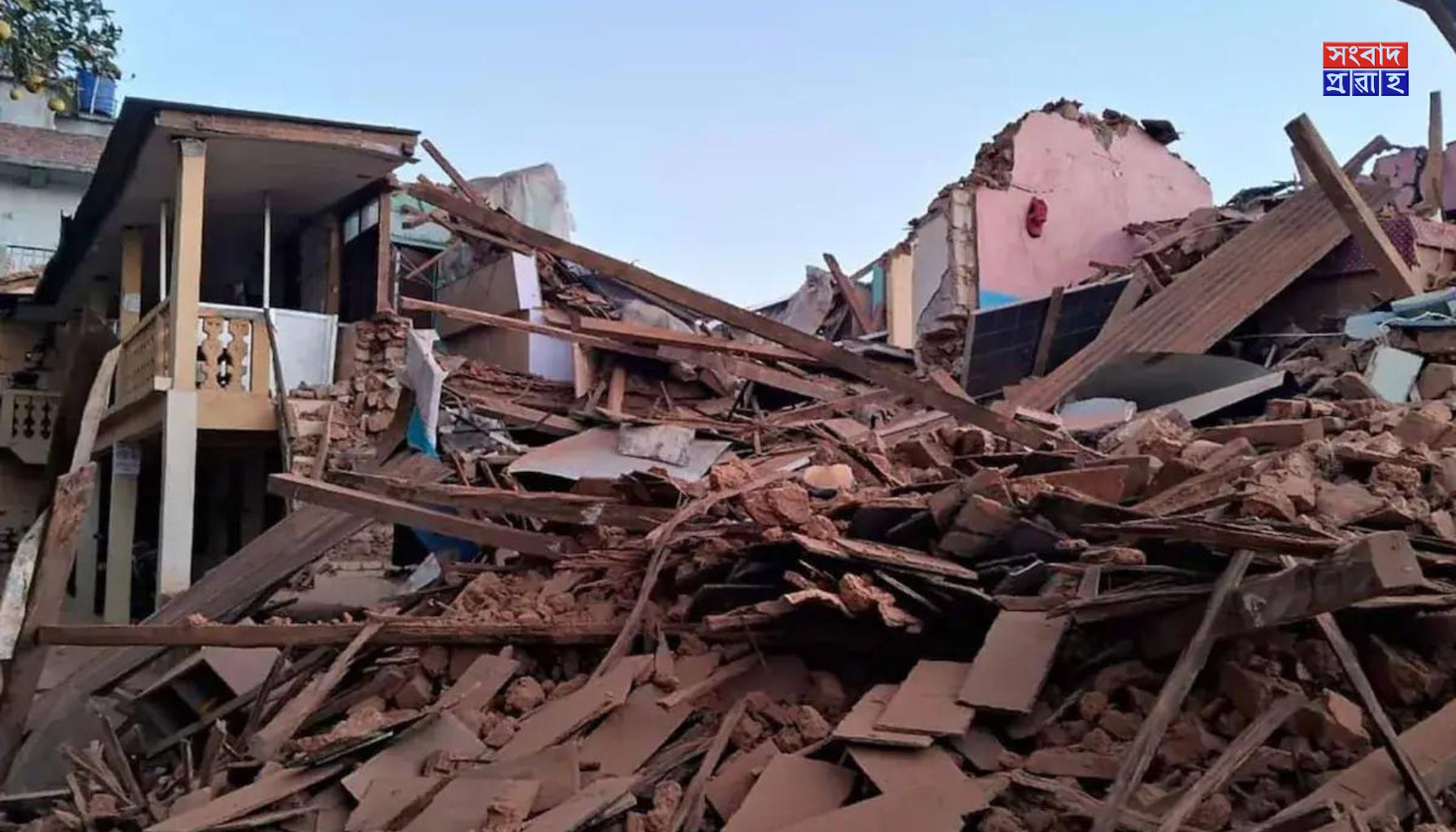
Earthquake Tremor Shakes Nepal Death Toll Rises to 128, PM Modi Confirms India's Solidarity and Support in Tragic Aftermath

Next Post
Unlock Exclusive In-Game Treasures! Garena Free Fire MAX's Redeem Codes for 1 November 2023: Secure Your Chance to Bag Free, Powerful Weapons and More Today!
Related Posts